


Newsroom·Oregon Legislature·Analysis
Oregon’s $421 Million Medicaid Gap: The Therapies on the Table
Oregon Medicaid faces a $421 million gap after federal cuts, and the options in front of the governor include limits on therapy, prosthetics and autism services. Here is what is on the table and what disabled Oregonians can do.
 Pastora Tori Matthews
Limits on physical and occupational therapy are among the Oregon Medicaid options.
Oregon Medicaid is facing a hole of hundreds of millions of dollars, and some of the ways to fill it would land on disabled Oregonians. OPB reports that the gap “starts at $421 million in the upcoming budget cycle” and is expected to double the following biennium, to an estimated $868 million, as stricter federal funding rules from H.R. 1 phase in.
Gov. Tina Kotek must present her proposed budget to the Legislature on December 1. In front of her is a report from an advisory group with more than 40 options, including limits on physical, occupational and speech therapy, prosthetics, and applied behavior analysis for young autistic children. This analysis explains the numbers, the options that touch disabled people, and how to be heard before decisions are made.
01
Where the Oregon Medicaid gap comes from
The gap traces to H.R. 1, the 2025 federal budget law, which cut federal Medicaid support and left states to decide how to respond. OPB reports that Congress left the choice of cuts to governors and legislatures, and that over four years the next governor may have to propose trimming as much as 10% of the state’s health care and Medicaid budget.
The governor’s advisory group report shows the math. It starts with an $833 million General Fund loss for 2027 to 2029, then subtracts $412 million in expected savings from lower enrollment, leaving a net target of $421 million. Counting federal dollars too, the report puts total lost state and federal funds at $3.793 billion for 2027 to 2029.
Oregon Medicaid, which runs as the Oregon Health Plan, makes up about a third of the state budget, OPB reports. That makes Oregon Medicaid the single biggest place lawmakers will look for savings. The cuts could affect 1 in 3 Oregonians and half of the children who rely on the Oregon Health Plan.
02
The advisory group and its 40 options
Kotek convened the Advisory Group on Medicaid Sustainability last year. According to the report, it met about every two weeks from November 2025 through June 2026. OPB reports that it gave her “more than 40 options to choose from,” without any consensus on a path.
The 18 members came from health plans, hospitals, unions, clinics, insurers, medical groups and state agencies. We did not see a disability rights organization on the list, even though several options would land on disabled people. The report itself says plainly: “The Governor is not obligated to adopt or otherwise pursue development of the options produced by the advisory group.”
The group did show some preferences. It favored limiting optional benefits over eliminating them, keeping adult dental services, and looking for administrative savings before cutting rates or benefits. It suggested a small across-the-board cut only if more savings were needed after targeted reductions.
03
The options that touch disabled Oregonians
The report lists savings for each option over the 2027 to 2029 budget, counting the state’s share. Several affect services that disabled Oregonians use every day:
- Physical and occupational therapy: limiting the benefit would save $8 million; removing it would save $16 million.
- Speech therapy: limiting it would save $0.5 million; removing it would save $1 million.
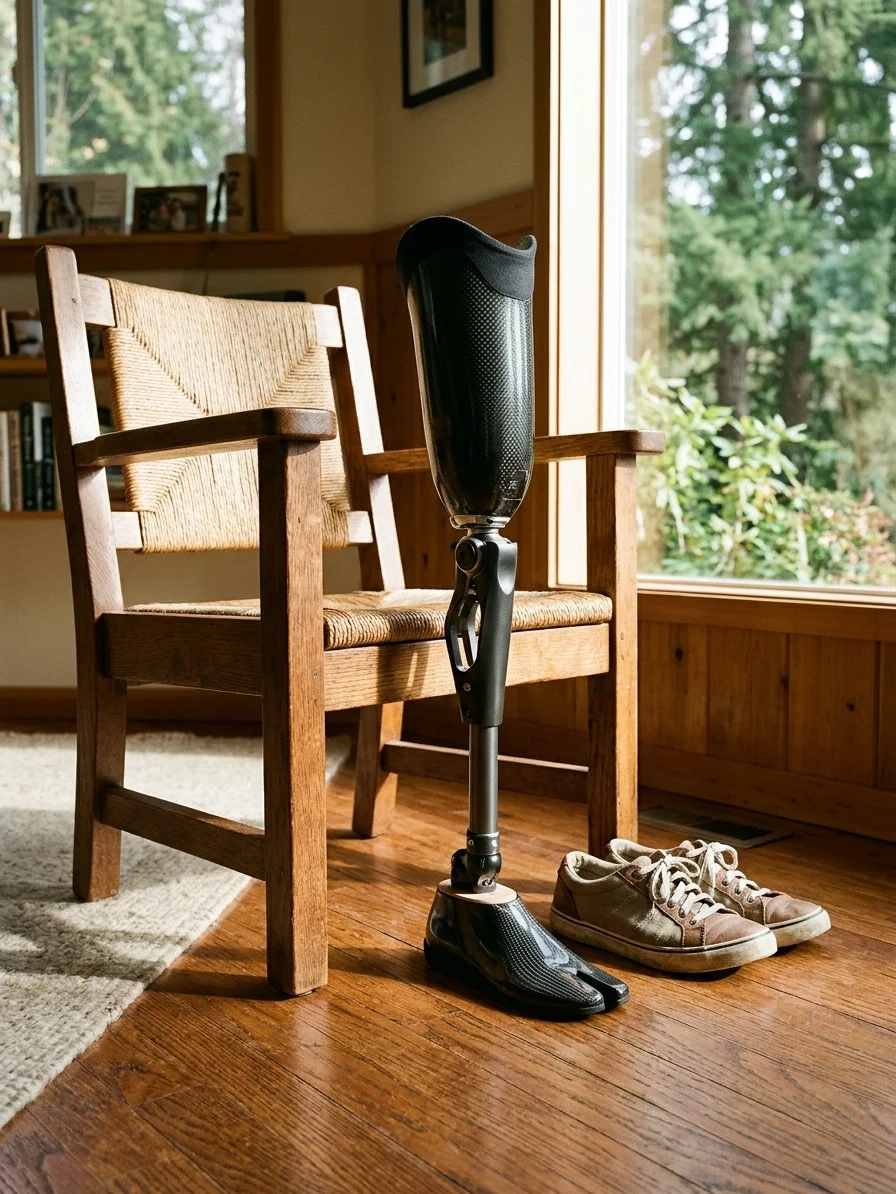
- Prosthetics: limiting the benefit would save $1.5 million; removing it would save $3 million.
- Applied behavior analysis (ABA): changes to how services are authorized for autistic children ages 1 to 12 would save $8.6 million.
- Across-the-board cuts: a cut to the Oregon Medicaid budget of 0.5% would save $42 million, rising to $336 million at 4%.
Some of these Oregon Medicaid savings are small compared with the $421 million gap. Removing speech therapy entirely would save $1 million over two years. For a child learning to talk, or an adult relearning speech after a stroke, the loss would be far larger than the savings.
04
What is not on the list
The report says long-term services and supports, the in-home and community care many disabled and older Oregonians rely on, “were not in scope for the advisory group.” That means those services were not studied here. It does not mean they are safe from future cuts.
05
Autism services and speech therapy

The option on applied behavior analysis would change how services are approved for autistic children ages 1 to 12, according to the report, rather than ending them. ABA is a widely used and also debated therapy, and many autistic adults have raised serious concerns about some of its practices. Whatever a family thinks of ABA, how Oregon Medicaid decides who gets services, and how quickly, matters to the children involved.
Speech therapy reaches children with speech and language delays, autistic children who communicate in different ways, and adults recovering from strokes and brain injuries. Physical therapy and occupational therapy help people walk, use their hands, dress, eat and work. These are often the services that let disabled people stay independent and stay out of hospitals.
When a benefit is limited rather than removed, the details matter: how many visits, which diagnoses qualify, and what proof is required. Those details are usually set later, in rules and contracts, which is why it is important to speak up early.
06
A closer look at the therapy options
Physical therapy is one of the most common Oregon Medicaid services for disabled people. It helps a person rebuild strength after surgery, keep moving with a progressive condition, learn to use a wheelchair or prosthetic, and avoid falls. Occupational therapy helps with the tasks of daily life, from dressing to cooking to returning to work.
The advisory report prices two versions of the cut. Limiting physical therapy and occupational therapy would save $8 million over two years; removing the benefit would save $16 million. The report does not spell out what “limit” would mean in practice. In Medicaid programs, limits often take the form of a yearly cap on visits, tighter rules about which conditions qualify, or extra paperwork before care is approved.
Each of those can be manageable for someone with a short-term injury and devastating for someone with a lifelong disability who needs steady therapy to stay out of the hospital. That is why the details of any Oregon Medicaid limit matter as much as the headline number.
07
How the Oregon Medicaid budget gets made
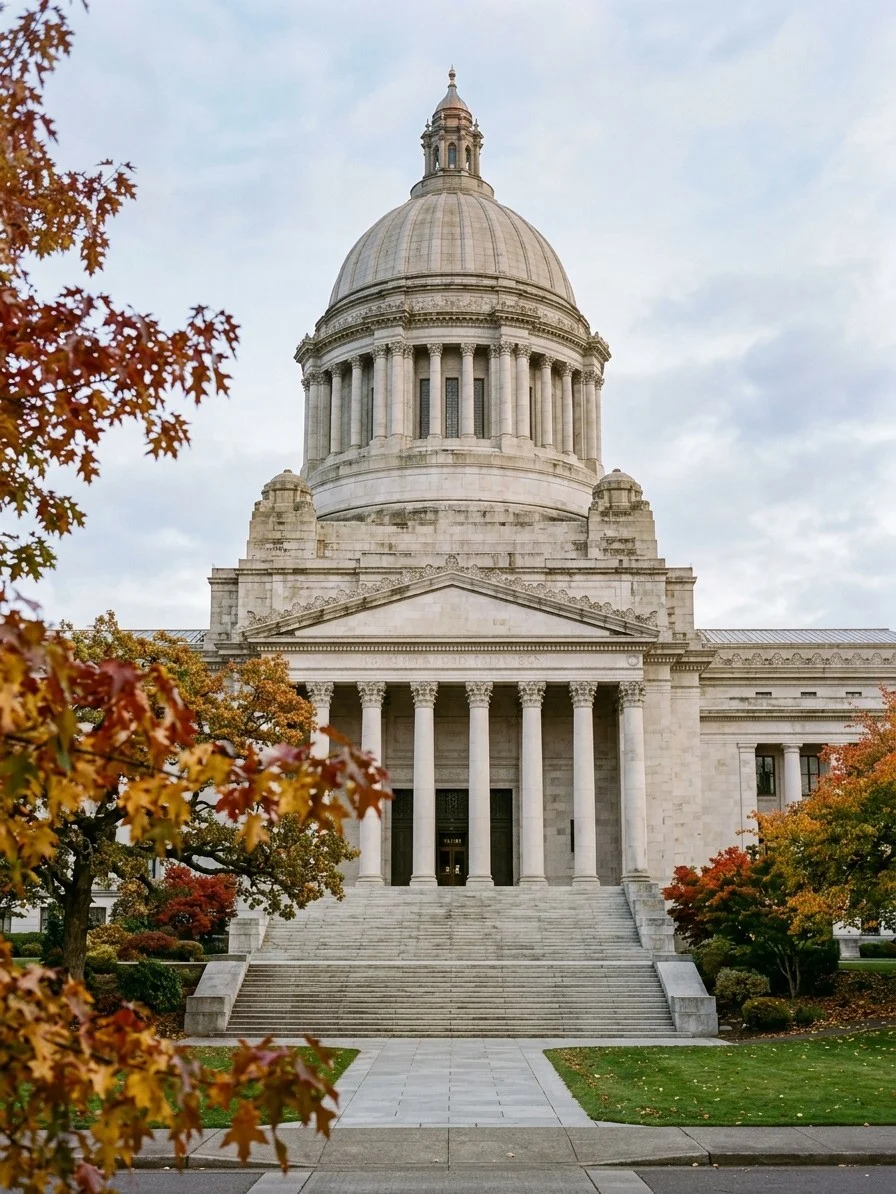
Oregon builds its budget in a fixed order. Under state law, the governor proposes a budget on December 1. If a new governor takes office, OPB reports, they have until February 1 to revise it. The Legislature then writes the actual budget during its 2027 session, mainly through the Joint Committee on Ways and Means, which holds public hearings around the state and in Salem.
That means the Oregon Medicaid choices will be made in public, over several months, with chances for testimony. The governor’s December budget sets the starting point. Legislators can add money back, choose different options or find savings elsewhere.
For disabled Oregonians, the most useful thing is to show up early and tell a clear story. Lawmakers hear about dollars all session. They hear far less often from the people whose lives those dollars touch.
08
Questions to ask your legislators
When you contact your state representative or senator about Oregon Medicaid, these questions can open the conversation:
- Will you protect physical therapy, occupational therapy and speech therapy in the Oregon Health Plan?
- Will you oppose removing prosthetics coverage?
- How will you make sure disabled people are consulted before Oregon Medicaid benefits are limited?
- Will you look first at administrative savings, as the advisory group suggested, before cutting services?
- How will you protect in-home and long-term care, which the advisory group did not study?
Write down the answers and share them with others in your community. Accountability starts with asking.
09
Prescription drugs and provider taxes
The one option Kotek has publicly backed, OPB reports, is centralizing approval and purchasing of prescription drugs for Medicaid members. The advisory group estimated it would save about $24 million over 18 months. OPB reports that about 90% of current prescriptions would likely stay covered, but some patients might need prior authorization or pay out of pocket for certain drugs.
Provider taxes are another pressure point. The report says the maximum provider tax rate must phase down from 6% to 3.5%, falling by half a percentage point a year starting October 1, 2027. OPB notes that these taxes are a key part of how Oregon pays for the Oregon Health Plan, so a lower cap means less money to work with in future budgets.
10
Where the candidates stand
The gap landed in the middle of the governor’s race. Kotek told OPB, “My priority in the upcoming budget is to provide access to high-quality healthcare to as many Oregonians as possible,” and said she would continue “to defend the Oregon Health Plan from Trump’s Medicaid cuts.”
Her opponent, Christine Drazan, did not answer OPB’s questions. She has said government should focus on its “core mission,” and about parts of government “acting like they’re going to be all things to all people,” she said, “that’s where we’re going to cut.” Under state law, if Drazan won, she would have until February 1 to revise Kotek’s December 1 budget, OPB reports.
Bloom does not endorse candidates. We report what they say about Oregon Medicaid so disabled Oregonians can weigh it for themselves.
11
What the numbers mean for a family
Budget documents speak in millions. Families live in visits, appointments and days. A limit on Oregon Medicaid therapy might look like a cap of a set number of visits a year. For a child with cerebral palsy, that could mean therapy stops in spring and does not start again until the next year. For an adult who uses a prosthetic, a limit could mean waiting longer for a replacement that no longer fits.
None of these specific limits has been proposed in detail, and we do not want to frighten anyone with guesses. The point is that small savings on paper can add up to large losses in a person’s life. That is the story disabled Oregonians are best placed to tell, and Oregon Medicaid decisions are better when lawmakers hear it.
12
What this means for disabled Oregonians
No Oregon Medicaid cut has been decided. The options are a menu, not a plan, and the governor is not bound by them. But menus have a way of becoming budgets, and the 2027 legislative session will make the final choices.
For disabled Oregonians, the most important point is timing. Once a proposed budget is published on December 1, legislators start from it. Speaking up after an Oregon Medicaid benefit is cut is much harder than speaking up while it is still an option.
If you rely on physical therapy, prosthetics, autism services or other Oregon Medicaid benefits, your experience is the evidence lawmakers need. A short story about what a service makes possible in your life can matter more than any spreadsheet.
13
How to make your voice heard
You do not need to be a policy expert to weigh in on the Oregon Medicaid budget. These steps help:
- Watch for December 1. The governor’s proposed budget will show which options she chose.
- Contact your state legislators. Tell them which Oregon Health Plan services you or your family use and what would happen without them.
- Plan to testify in 2027. Budget hearings in the legislative session take public testimony, in person and in writing.
- Get help if a benefit changes. Disability Rights Oregon offers information and referrals at 503-243-2081 or 1-800-452-1695, or welcome@droregon.org.
- Ask for a disability voice at the table. Ask that any future Oregon Medicaid advisory group include disabled people and disability organizations.
14
Words to know
- Oregon Medicaid: Oregon’s Medicaid program, which runs as the Oregon Health Plan (OHP).
- H.R. 1: the 2025 federal budget law that cut federal Medicaid funding and added new rules for states.
- General Fund: the state’s own tax dollars, as opposed to federal funds.
- Biennium: Oregon’s two-year budget period. The next one runs from 2027 to 2029.
- Applied behavior analysis (ABA): a therapy often used with autistic children.
- Provider tax: a tax on hospitals or health plans that helps the state draw down federal Medicaid money.
15
What Bloom is doing
Bloom’s newsroom will report on the governor’s December 1 budget and on every Oregon Medicaid decision in the 2027 session that touches disabled people. You can follow that reporting in our Disability Advocacy newsroom, along with our story on the caregiving crisis.
Bloom’s disability advocacy work starts from a conviction: a budget is a moral document, and disabled Oregonians belong at the table where it is written.
And if this news has you anxious about care you depend on, Faith in Bloom offers pastoral care with no condition attached.
16
Frequently Asked Questions
OPB reports the gap starts at $421 million in the 2027 to 2029 budget and could reach about $868 million in the next biennium. The advisory report says the $421 million is an $833 million General Fund loss minus $412 million in expected enrollment savings.
The gap traces to H.R. 1, the 2025 federal budget law that cut federal Medicaid support. OPB reports that Congress left the choice of cuts to governors and legislatures.
The advisory report lists limits or removal of physical and occupational therapy, speech therapy and prosthetics, changes to how ABA is authorized for autistic children ages 1 to 12, and across-the-board cuts of 0.5% to 4%.
No. The options are recommendations, and the report says the governor is not obligated to adopt them. The governor’s proposed budget is due December 1, and the Legislature makes final decisions in 2027.
The report says long-term services and supports were not in scope for the advisory group. That means they were not studied, not that they are protected from future cuts.
Kotek told OPB her priority is “to provide access to high-quality healthcare to as many Oregonians as possible.” The only option she has publicly backed is centralizing prescription drug purchasing, worth about $24 million over 18 months.
Contact your state legislators, watch for the December 1 budget, and plan to testify during the 2027 session. Tell lawmakers which Oregon Health Plan services you rely on and what they make possible.
Disability Rights Oregon offers information and referrals at 503-243-2081 or 1-800-452-1695, or welcome@droregon.org. For coverage questions, OHP Client Services is at 1-800-699-9075.
Sovereignty over Servitude. 🌸
Support this work
Everything Bloom publishes is free to read and free to share.
Bloom Ministries is a registered 501(c)(3) in Salem, Oregon. Monthly giving is what lets us say yes before the money is in hand.
Keep reading
 Oregon Legislature · 16 November 2026Oregon Could Face a Ballot Measure on Trans Girls in School Sports
 Oregon Legislature · 14 November 2026Oregon Won’t Seek to Renew OHP’s Coverage Guarantee for Kids Under 6
 Trans advocacy · 11 November 2026DOJ Official Behind Trans Care Subpoenas Resigns: What Stays
