The Bloom Charter Launches — A Rights Document Its Founder Cannot Edit
188 years after the People's Charter was refused three times, a trans-led nonprofit publishes a founding document with no direct-edit path — not even for the person who wrote it.
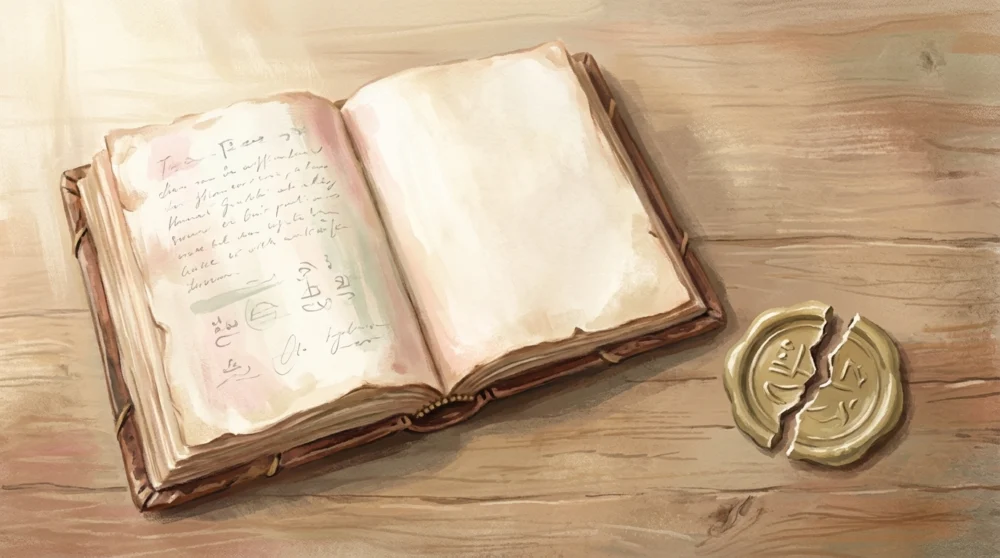
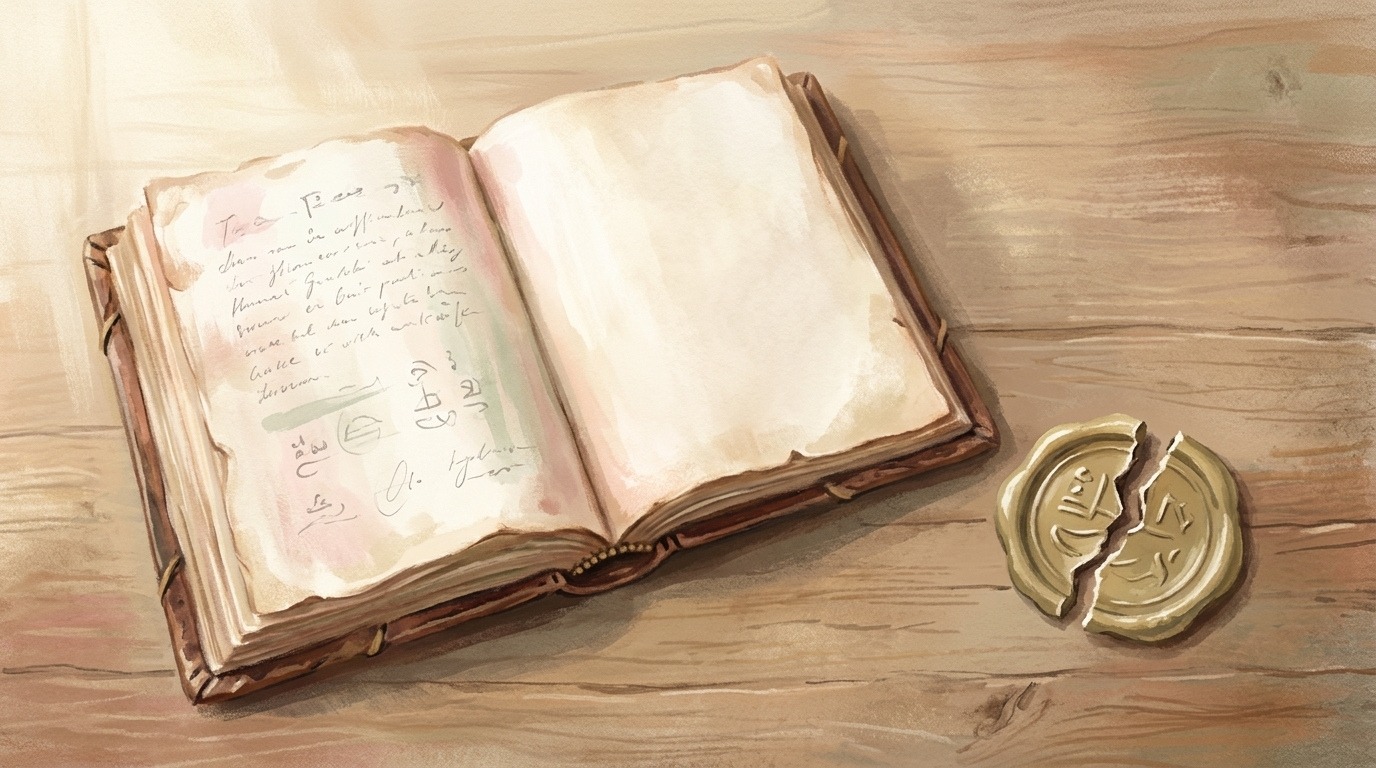
The Living Seal.
SALEM, Ore. — August 26, 2026 — Bloom Ministries today launched the Bloom Charter, a public declaration of rights for transgender, disabled, and marginalized people, built so that no single person — including its founder — can quietly change it.
What the Bloom Charter Is
The Bloom Charter is available now at bloomcharter.com. It contains four Pillars and eighteen Articles covering recognition of a person’s stated name and gender, bodily sovereignty, enforcement of disability law that already exists, protection from state overreach, and accountability for sexual violence.
It is free to read, free to sign, and open to amendment proposals from anyone with a verified account. There is no paywall and no membership.
Governance: A Document Its Founder Cannot Edit
The Charter’s governing rule is unusual, and it is the reason for this announcement.
The core text has no direct-edit path. Not a policy against editing — no mechanism for it exists in the software. Changing any Article requires a public amendment process with a minimum thirty-day comment period, editorial review, and a recorded ratification. Every revision is published with the author’s name and a word-level record of what changed. Attempts to bypass the process are blocked automatically and logged where anyone can read them.
“A charter only one person can revise is not a living document — it’s a monument, and monuments don’t grow,” said Pastora Tori Matthews, Founder and Executive Pastora of Bloom Ministries. “So I built one I can’t quietly change. If I want to alter a single Article, I go through the same public process as anyone else, and everyone can watch me do it.”
The 1838 Inheritance
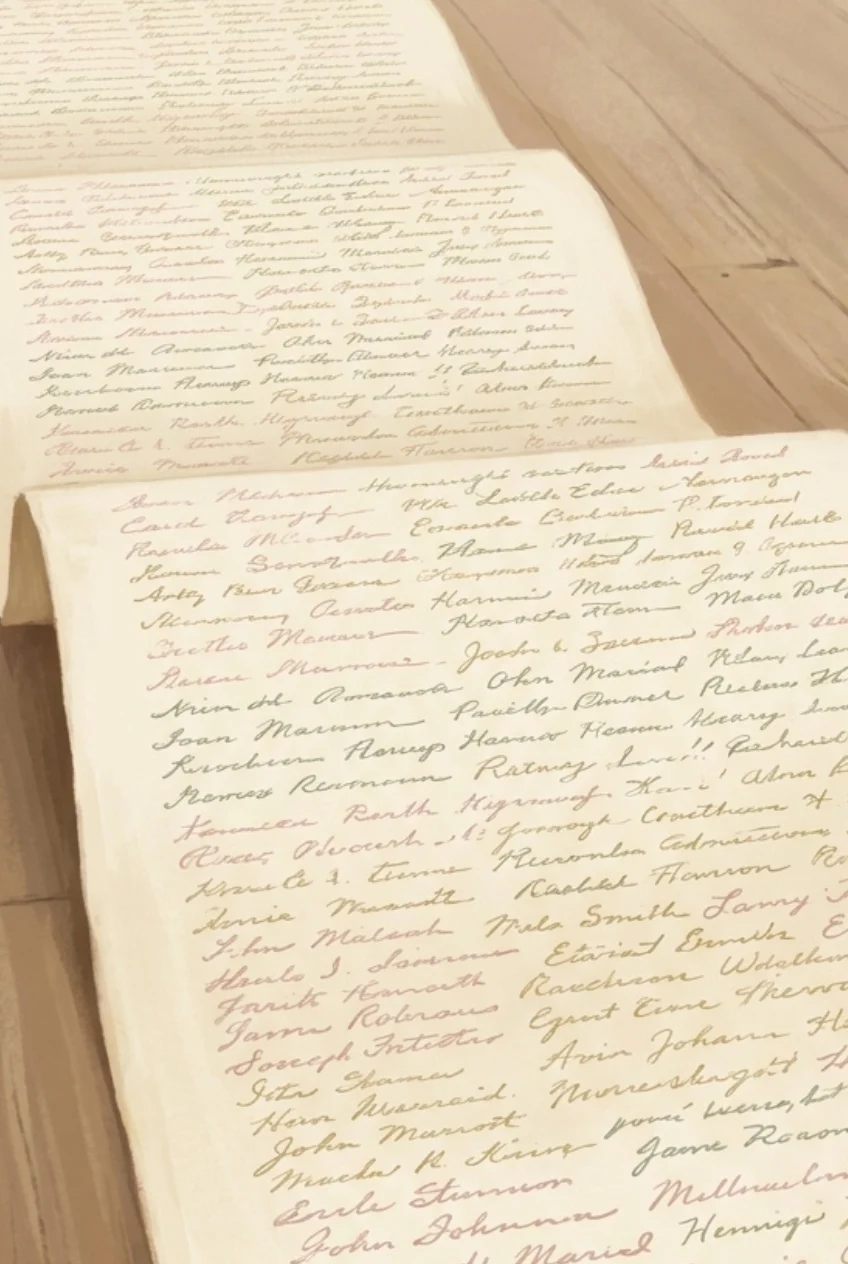
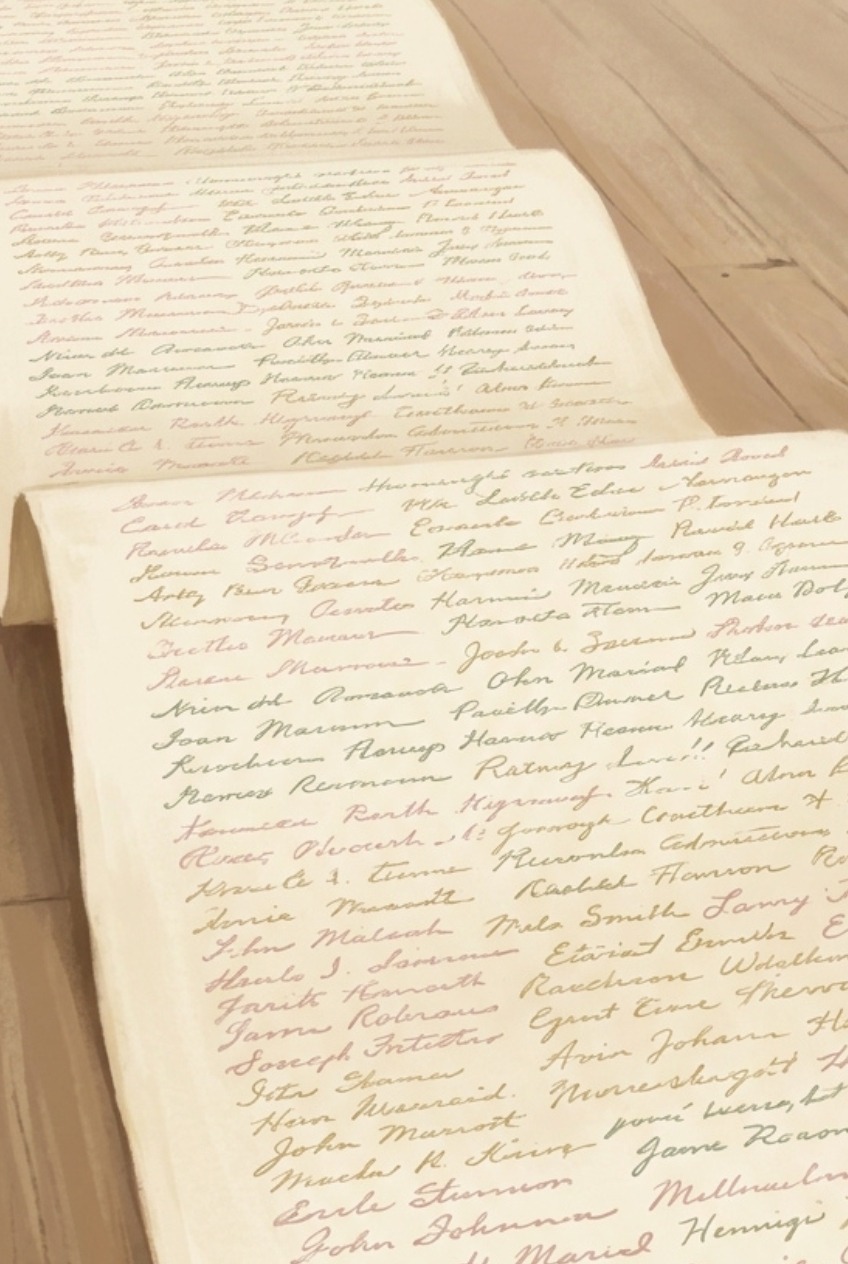
The Charter takes its name and its structure from the People’s Charter of 1838, the British Chartist petition that gathered more than three million signatures and was rejected by Parliament three times. Most of what it demanded eventually became ordinary law — decades later, long after the people who signed it had died waiting.
“That was 188 years ago, and people are still being written out of the laws that govern them,” Matthews said. “We don’t have decades to spare. So we wrote something that doesn’t need anyone’s permission to exist.”
The Record
Alongside the Charter, the platform publishes what Bloom calls the Record: dated, sourced entries documenting events that bear on specific Articles. Each carries a public “last verified” date. Entries are marked resolved when the underlying problem is actually fixed — when a law passes, a policy reverses, or charges are filed.
The Record is explicitly excluded from the amendment process. It documents circumstances, not principles, and Bloom states plainly that it is not part of the Charter’s binding text. Bloom’s own pastoral reflection on the Epstein files, published in November 2025, is among the sources cited in the current entries.
How to Read, Sign, or Endorse
Individuals can read the full text and add their names at bloomcharter.com. No account is required to sign, email addresses are never displayed publicly, and signers may use a first name only where visibility carries risk.
Organizations may endorse through the Covenant of Care, a set of seven written commitments including a published non-discrimination policy naming gender identity and disability, documented annual staff training, and a monitored channel for reporting harm. Endorsements are reviewed individually and require public renewal every twelve months. Lapsed status is shown publicly rather than hidden.
Frequently Asked Questions
What is the Bloom Charter?
A public declaration of rights for transgender, disabled, and marginalized people, published at bloomcharter.com. It contains a Preamble, four Pillars, and eighteen Articles, and it is designed to be amended over time through a public process rather than revised privately by its stewards.
What does it mean that the founder cannot edit it?
It means what it says. The Charter’s core text — the Preamble and Articles 1 through 18 — has no direct-edit function in the software for any account, at any permission level. Changing an Article requires a proposal, a minimum thirty-day public comment period, editorial review, and a recorded ratification. Attempts to bypass that process are blocked and logged publicly.
Does signing the Charter create any legal obligation?
No. Signing is a public declaration of support. It is not a contract, not a membership, and not a financial commitment, and it creates no legal obligations for the signer. Email addresses are used once to confirm a signature is real and are never displayed.
Is the Bloom Charter connected to the original People's Charter?
Not organizationally — the Chartist movement ended in the nineteenth century. The connection is deliberate inheritance. The 1838 Charter put six demands on a single sheet, gathered over three million signatures, and was refused by Parliament in 1839, 1842 and 1848. Nearly all of it later became ordinary law. Bloom takes the form and removes the waiting: this Charter is addressed to everyone rather than to a legislature’s permission.
Who decides what goes into the Record?
Anyone may submit an entry, and every submission requires a source link. A Steward reviews each one before publication. Entries describe what a source reported rather than asserting facts independently, and each displays a public last-verified date so that a stale entry is visibly stale rather than quietly wrong.
Can an organization endorse without a formal policy in place?
The Covenant of Care asks organizations to adopt one, not to already have one. Each of the seven commitments requires its own explicit agreement, and endorsements are reviewed individually rather than listed automatically. Renewal is annual, and an endorsement that lapses is shown as lapsed.
How can I support this work?
Bloom Ministries is a 501(c)(3) nonprofit, and the Charter is free to everyone with no paywall and no membership. If you are able to help keep it that way, you can give here. If you are not able, please take it freely — it was always meant for you first.
###
About Bloom Ministries
Bloom Ministries is a trans-led, disabled-led 501(c)(3) faith-rooted nonprofit based in Salem, Oregon. Founded in October 2025, Bloom provides crisis support, relocation assistance, and community programs for transgender, disabled, and marginalized people, and serves as steward of the Bloom Charter. EIN 39-4922713. Learn more at bloomministries.org.


Pingback: Why I Built the Bloom Charter — And Then Locked Myself Out of It - Bloom Ministries