
Sunday Mass · 22 November 2026 · XXIV Sunday after Pentecost
Sunday Mass: November 22, 2026 | Effects of Thy Goodness
The Church’s year ends this morning, and the prayer it ends with asks for medicine. Not for a verdict on how the year went. Not for a reward, and not for a rank. It asks that the effects of Thy goodness arrive greater than…
The order of this offering
Before the readings
Offering and Canon
I
Opening Address
The Church’s year ends this morning, and the prayer it ends with asks for medicine. Not for a verdict on how the year went. Not for a reward, and not for a rank. It asks that the effects of Thy goodness arrive greater than they did before.
Welcome to Bloom’s Sunday Mass for the Twenty-Fourth and last Sunday after Pentecost, Sunday, November 22, 2026. It is a Sunday of the second class, in green. The Gloria and the Creed are said, the Preface is the Preface of the Most Holy Trinity, and St. Cecilia, whose day this is, gives way entirely to the Sunday. She receives no oration and is not commemorated. Next Sunday the vestments go violet and a new year begins.
Bloom offers this Mass in the Independent Catholic tradition, from the 1962 Roman Rite, and is not affiliated with or recognized by the Roman Catholic Church. We say it at the door every Sunday, because honesty is the first thing a church owes the people who walk in.
However much help you are currently living on, you are welcome here. This morning’s Collect has an opinion about that, and it is not the one most of us were taught.
II
A Word on Today’s Propers
This Mass is the Twenty-Fourth Sunday after Pentecost, which the Missal always keeps for the end of the season however long the season runs. Its Collect, Lesson, Gospel, Secret and Postcommunion are its own. Its four chants are not. The Introit, the Gradual with its Alleluia verse, the Offertory and the Communion antiphon belong to the Twenty-Third Sunday, and they were printed here one week ago, at the Sixth Sunday after Epiphany on November 15. Each was checked against that printing one at a time, and they match.
The Lesson and the Gospel were both preached in full a year ago, at this same Mass on November 23, 2025, which walks Matthew twenty-four verse by verse and then takes the Lesson’s perfect tenses as its second argument. Neither is preached again this morning. Both are printed entire, as a Sunday Mass prints everything, because printing and preaching are separate questions.
That leaves the Collect, and the Collect has one clause nobody here has opened. The Daily Offering for Thursday, November 27, 2025 quoted the whole prayer and read its first half, the half where God is asked to do the stirring. The homily this morning is the second half, which has been printed three times and read none.
III
Prayers at the Foot of the Altar
(Psalm 42, Judica me, and the Confiteor are said here, at the foot of the altar, from the Missal.)
The Mass begins with a priest and a server at the bottom step, saying a psalm that asks for a verdict in somebody’s favour and then admitting, in the Confiteor, how little either of them is bringing. I will go in to the altar of God, and the going in is the whole of the claim. Nobody at the foot of these steps is said to have qualified.
IV
Introit
Jeremias 29:11-12, 14; Psalm 84:2
English
The Lord saith: I think thoughts of peace, and not of affliction: you shall call upon Me, and I will hear you; and I will bring back your captivity from all places.
Ps. 84:2. Lord, Thou hast blessed Thy land: Thou hast turned away the captivity of Jacob.
Glory be to the Father, and to the Son, and to the Holy Ghost. As it was in the beginning, is now, and ever shall be, world without end. Amen.
The Lord saith: I think thoughts of peace, and not of affliction: you shall call upon Me, and I will hear you; and I will bring back your captivity from all places.
Latin
Dicit Dóminus: Ego cógito cogitatiónes pacis, et non afflictiónis: invocábitis me, et ego exáudiam vos: et redúcam captivitátem vestram de cunctis locis.
Ps. 84:2. Benedixísti, Dómine, terram tuam: avertísti captivitátem Jacob.
Glória Patri…
Dicit Dóminus: Ego cógito cogitatiónes pacis, et non afflictiónis: invocábitis me, et ego exáudiam vos: et redúcam captivitátem vestram de cunctis locis.
V
The Kyrie and the Gloria
(The Kyrie and the Gloria are said here, from the Missal.)
Nine requests for mercy, and then a hymn. The order is worth having on the last Sunday of a year: the asking comes first and the glory is sung by people who have just finished asking.
VI
Collect
(℣. marks what the priest says. ℟. marks the answer of the server and the people.)
English
℣. The Lord be with you.
℟. And with thy spirit.
Let us pray.
Stir up, we beseech Thee, O Lord, the wills of Thy faithful people: that, seeking more earnestly the fruit of Thy divine work, they may receive more abundantly the healing effects of Thy goodness. Through our Lord Jesus Christ, Thy Son, Who liveth and reigneth with Thee in the unity of the Holy Ghost, God, world without end. Amen.
℟. Amen.
Latin
Excita, quǽsumus, Dómine, tuórum fidélium voluntátes: ut, divíni óperis fructum propénsius exsequéntes; pietátis tuæ remédia majóra percípiant.
Per Dominum…
VII
Epistle
English
Lesson from the Epistle of blessed Paul the Apostle to the Colossians.
Brethren: We cease not to pray for you, and to beg that you may be filled with the knowledge of the will of God, in all wisdom, and spiritual understanding: that you may walk worthy of God, in all things pleasing; being fruitful in every good work, and increasing in the knowledge of God:
Strengthened with all might, according to the power of his glory, in all patience and longsuffering with joy, giving thanks to God the Father, who hath made us worthy to be partakers of the lot of the saints in light:
Who hath delivered us from the power of darkness, and hath translated us into the kingdom of the Son of his love, in whom we have redemption through his blood, the remission of sins.
Latin
Léctio Epístolæ beáti Pauli Apóstoli ad Colossénses
Fratres: Non cessámus pro vobis orántes et postulántes, ut impleámini agnitióne voluntátis Dei, in omni sapiéntia et intelléctu spiritáli: ut ambulétis digne Deo per ómnia placéntes: in omni ópere bono fructificántes, et crescéntes in scientia Dei:
In omni virtúte confortáti secúndum poténtiam claritátis ejus in omni patiéntia, et longanimitáte cum gáudio, grátias agentes Deo Patri, qui dignos nos fecit in partem sortis sanctórum in lúmine:
Qui erípuit nos de potestáte tenebrárum, et tránstulit in regnum Fílii dilectiónis suæ, in quo habémus redemptiónem per sánguinem ejus, remissiónem peccatórum.
VIII
Gradual and Alleluia
English
Thou hast saved us, O Lord, from them that afflict us: and hast put them to shame that hate us.
℣. In God shall we glory all the day long: and in Thy name we will give praise for ever.
Alleluia, alleluia. ℣. Out of the depths I have cried to Thee, O Lord: Lord, hear my prayer. Alleluia.
Latin
Liberásti nos, Dómine, ex affligéntibus nos: et eos, qui nos odérunt, confudísti.
℣. In Deo laudábimur tota die, et in nómine tuo confitébimur in sǽcula.
Allelúja, allelúja. ℣. De profúndis clamávi ad te, Dómine: Dómine, exáudi oratiónem meam. Allelúja.
IX
Gospel
English
Continuation ☩ of the holy Gospel according to St. Matthew.
At that time, Jesus said to His disciples: When therefore you shall see the abomination of desolation, which was spoken of by Daniel the prophet, standing in the holy place: he that readeth let him understand. Then they that are in Judea, let them flee to the mountains: and he that is on the housetop, let him not come down to take any thing out of his house: and he that is in the field, let him not go back to take his coat.
And woe to them that are with child, and that give suck in those days. But pray that your flight be not in the winter, or on the sabbath. For there shall be then great tribulation, such as hath not been from the beginning of the world until now, neither shall be. And unless those days had been shortened, no flesh should be saved: but for the sake of the elect those days shall be shortened.
Then if any man shall say to you: Lo here is Christ, or there, do not believe him. For there shall arise false Christs and false prophets, and shall shew great signs and wonders, insomuch as to deceive (if possible) even the elect. Behold I have told it to you, beforehand.
If therefore they shall say to you: Behold he is in the desert, go ye not out: Behold he is in the closets, believe it not. For as lightning cometh out of the east, and appeareth even into the west: so shall the coming of the Son of man be. Wheresoever the body shall be, there shall the eagles also be gathered together.
And immediately after the tribulation of those days, the sun shall be darkened and the moon shall not give her light, and the stars shall fall from heaven, and the powers of heaven shall be moved: and then shall appear the sign of the Son of man in heaven: and then shall all tribes of the earth mourn: and they shall see the Son of man coming in the clouds of heaven with much power and majesty.
And he shall send his angels with a trumpet, and a great voice: and they shall gather together his elect from the four winds, from the farthest parts of the heavens to the utmost bounds of them.
And from the fig tree learn a parable: When the branch thereof is now tender, and the leaves come forth, you know that summer is nigh. So you also, when you shall see all these things, know ye that it is nigh, even at the doors.
Amen I say to you, that this generation shall not pass, till all these things be done. Heaven and earth shall pass, but my words shall not pass.
Latin
Sequéntia ☩ sancti Evangélii secúndum Matthǽum
In illo témpore: Dixit Jesus discípulis suis: Cum vidéritis abominatiónem desolatiónis, quæ dicta est a Daniéle Prophéta, stantem in loco sancto: qui legit, intélligat: tunc qui in Judǽa sunt, fúgiant ad montes: et qui in tecto, non descéndat tóllere áliquid de domo sua: et qui in agro, non revertátur tóllere túnicam suam.
Væ autem prægnántibus et nutriéntibus in illis diébus. Oráte autem, ut non fiat fuga vestra in híeme vel sábbato. Erit enim tunc tribulátio magna, qualis non fuit ab inítio mundi usque modo, neque fiet. Et nisi breviáti fuíssent dies illi, non fíeret salva omnis caro: sed propter eléctos breviabúntur dies illi.
Tunc si quis vobis díxerit: Ecce, hic est Christus, aut illic: nolíte crédere. Surgent enim pseudochrísti et pseudoprophétæ, et dabunt signa magna et prodígia, ita ut in errórem inducántur – si fíeri potest – étiam elécti. Ecce, prædíxi vobis.
Si ergo díxerint vobis: Ecce, in desérto est, nolíte exíre: ecce, in penetrálibus, nolíte crédere. Sicut enim fulgur exit ab Oriénte et paret usque in Occidéntem: ita erit et advéntus Fílii hóminis. Ubicúmque fúerit corpus, illic congregabúntur et áquilæ.
Statim autem post tribulatiónem diérum illórum sol obscurábitur, et luna non dabit lumen suum, et stellæ cadent de cælo, et virtútes cœlórum commovebúntur: et tunc parébit signum Fílii hóminis in cœlo: et tunc plangent omnes tribus terræ: et vidébunt Fílium hóminis veniéntem in núbibus cæli cum virtúte multa et majestáte.
Et mittet Angelos suos cum tuba et voce magna: et congregábunt eléctos ejus a quátuor ventis, a summis cœlórum usque ad términos eórum.
Ab árbore autem fici díscite parábolam: Cum jam ramus ejus tener fúerit et fólia nata, scitis, quia prope est æstas: ita et vos cum vidéritis hæc ómnia, scitóte, quia prope est in jánuis.
Amen, dico vobis, quia non præteríbit generátio hæc, donec ómnia hæc fiant. Cœlum et terra transíbunt, verba autem mea non præteríbunt.
The Offering
Sunday Homily | Effects of Thy Goodness
It ends with medicine, and with a request for more of it. Stir up, we beseech Thee, O Lord, the wills of Thy faithful people: that, seeking more earnestly the fruit of Thy divine…
What does this morning’s Collect end with?
It ends with medicine, and with a request for more of it. Stir up, we beseech Thee, O Lord, the wills of Thy faithful people: that, seeking more earnestly the fruit of Thy divine work, they may receive more abundantly the healing effects of Thy goodness. Three movements. God stirs, the stirred will pursues, and then the prayer says what all the pursuing is for. It is for receiving the effects of Thy goodness.
Notice what is not there. No standing is conferred. Nothing is awarded and nobody is told they have arrived. The prayer runs the whole way to its full stop and the last thing in it is a treatment, the effects of Thy goodness.
That is what the Church leaves us with before Advent. Go further in, and what you are given is a larger share of the effects of Thy goodness.
Where does the Latin put the word greater?
On the remedies. The Latin reads pietátis tuæ remédia majóra percípiant, and majóra is a neuter plural adjective in the accusative, agreeing with remédia. Grammatically it has nowhere else to go.
Our English moves it off the noun and onto the verb. They may receive more abundantly the healing effects of Thy goodness turns a bigger medicine into a fuller manner of taking it, and those are not the same claim. One says your appetite improves. The other says the dose goes up: the effects of Thy goodness are themselves the thing enlarged.
The Missal’s Latin is in the other column this morning and anybody can check it. The comparative sits on remédia, and remédia are remedies, the things actually administered. The effects of Thy goodness, in the Latin, get bigger.
The further in a person goes, the larger the effects of Thy goodness that are put into their hands.
Whose are the effects of thy goodness?
They are God’s, and the prayer says so in so many words. Pietátis tuæ, of Thy loving-kindness. Your progress does not enter into it, and neither does your record.
Look at the two possessives in the purpose clause, because between them they are the argument. The fruit being sought is divíni óperis fructum, the fruit of the divine work, which is God’s work and not ours. And what is received is pietátis tuæ remédia, God’s own remedies. Everything named in the clause belongs to somebody else. The faithful supply two participles, seeking and receiving, and the first of those is the very thing the main verb has just asked God to produce in them.
There is a grammatical detail here that is easy to walk past. The purpose clause has no subject in the nominative at all. The two plural nouns standing behind percípiant are voluntátes, the wills, which Excita took as its object at the head of the prayer, and fidélium, the faithful, which is in the genitive and belongs to the wills. Our English has to supply a they that the Latin never prints, and the ordinary supply is the faithful themselves.
But the nearest thing the prayer itself prints to an actor is a faculty that was the object of its own opening verb. That is strange and I would not soften it. The effects of Thy goodness land on the part of a person that decides what to go after next.
And the Mass says it again at the Offertory, from the other end. The Secret asks God to turn the hearts of all of us unto Thee, ómnium nostrum ad te corda convérte, and then asks that, freed from earthly craving, we may pass over to heavenly longing. The verb belongs to God and the craving belongs to us. The one prayer stirs the will and the other turns the heart, and both of them are operating on the same organ.
The effects of Thy goodness are not a mood that settles on a person who has been good. They are what is done to the wanting itself, which is the thing in us that is hardest to argue into a different shape and the thing we are least able to reach.
Does growing in faith mean needing less help?
This Collect says it does not, and it says so in the plainest way available, by attaching the increase to the medicine rather than to the patient.
The teaching this prayer refuses is seldom said outright and is taught constantly by implication: that maturity shows itself as self-sufficiency. That somebody twenty years in ought to need less. Less mercy, less reassurance, fewer prayers said on their behalf, less apparatus of any kind. On that accounting the quantity of help in a life is a report on the quality of the person living it, and a person still needing a great deal has not moved.
The Collect reverses the arithmetic. Seek more earnestly and the effects of Thy goodness come larger, not smaller. The one who goes furthest in is given the most. Nowhere in this prayer do the remedies taper off, and nowhere does anybody graduate out of them.
And look at who that teaching costs the most. It costs the people whose need is visible, because theirs is the need everybody else is in a position to count, and the effects of Thy goodness are not distributed by that count. A person can carry an enormous amount privately and be thought to be managing beautifully, while somebody whose help arrives in the form of equipment, or a carer, or a prescription, or a form filled in by somebody else, has their whole inventory on display and is read off it. The Collect refuses to read anybody off it.
I will not let the pious inversion stand either, because it is waiting in the very next sentence. This is not an argument that being unwell is holy, or that needing things is itself a virtue, or that anyone ought to want to stay as they are. A remedium is what you take in order to be well. The prayer asks for more of the medicine. It does not ask for the load to be heavier, and it never once praises anybody for carrying it.
Nor does it promise what a great many people have been told it promises. Nothing in this Collect says a body will be made different, or that the help will one day stop being needed, or that the effects of Thy goodness arrive on a schedule you can hold God to. It says the remedies come, and that they come larger to those who go further in.
Why did the blockmaker count the sheaves?
Because the number of sheaves measures the load and tells you nothing whatever about the men.
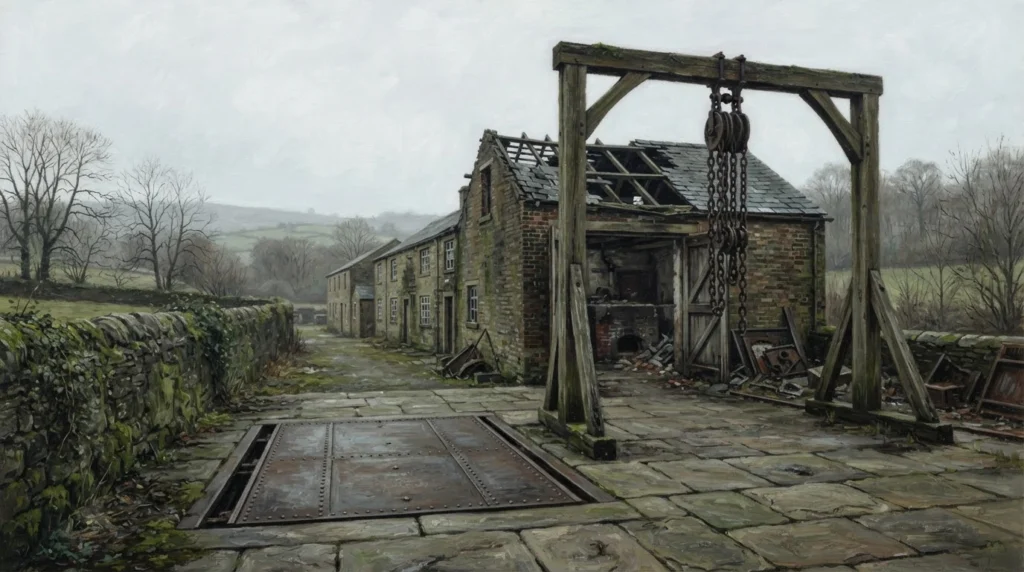
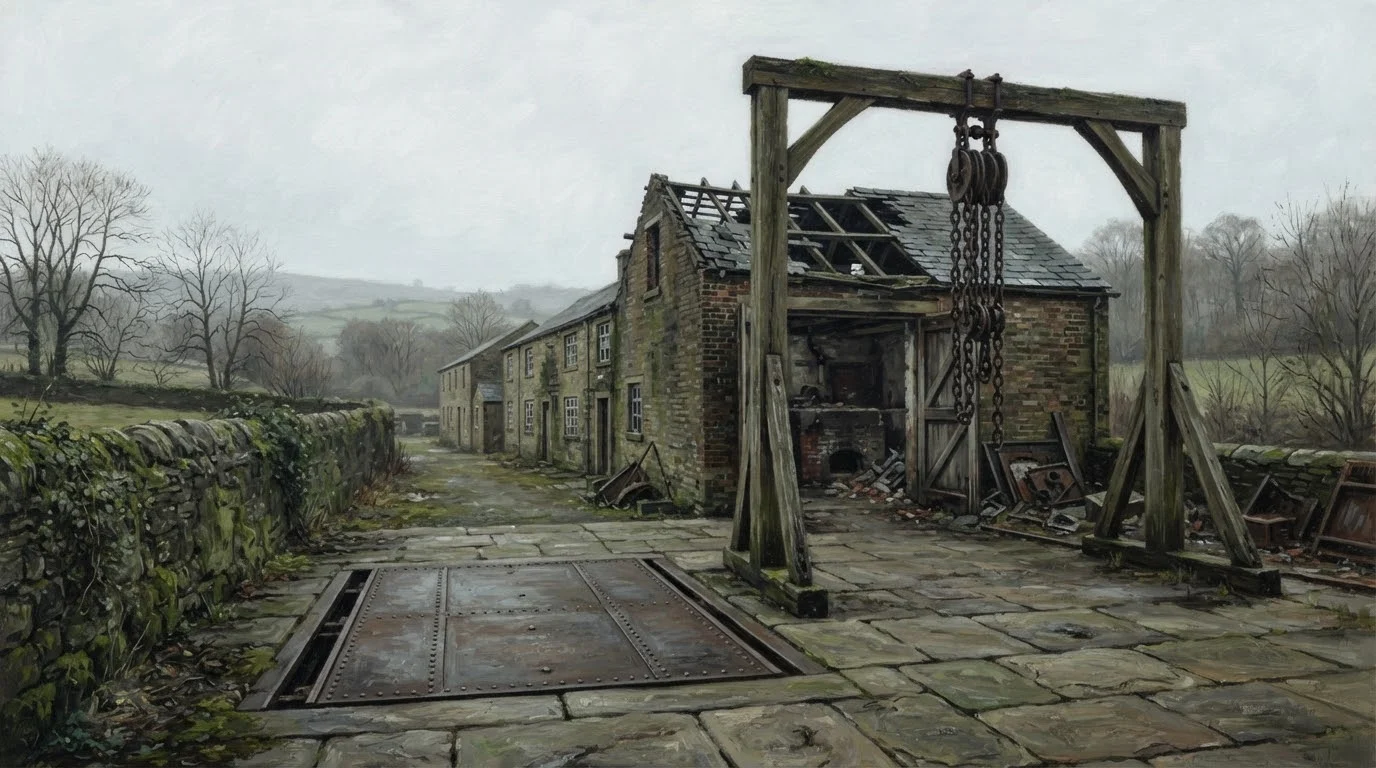
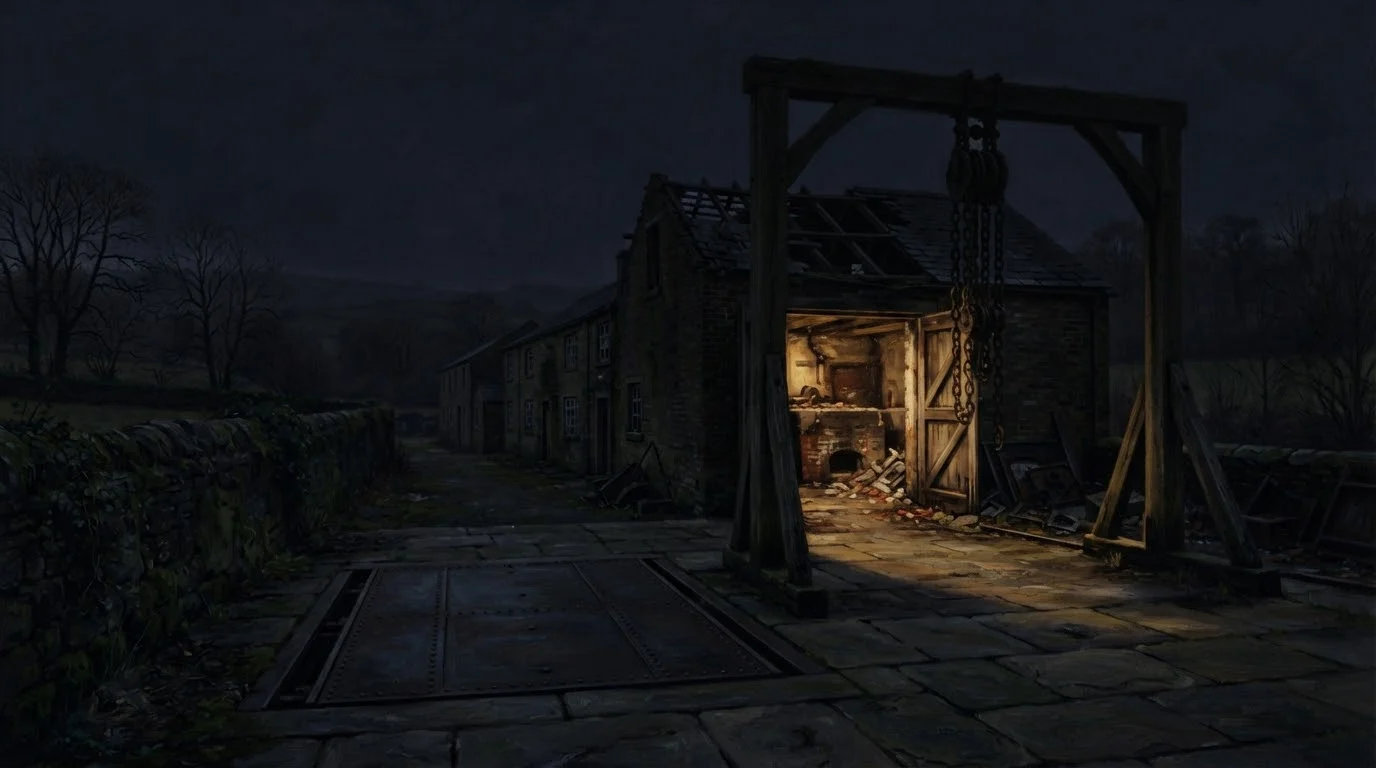
There is a story told of a man who made lifting blocks for the trade around a mill town, and who was asked one spring for the gear to set a new boiler into an engine house with the roof off.
He came up the yard with a block heavier than anything that gang had handled, eight sheaves in it where they were used to two, and the mill manager said so to his face in the open, with the whole gang standing round the weighbridge. They had set boilers before. They had never needed that. Was he suggesting the men had gone soft, or was he selling more iron than the job wanted?
The blockmaker did not take it quietly and did not go off to think about it. He reeved the block where they could all follow what he was doing and counted the parts out loud. Eight, he said, because this boiler is eight times the last thing you lifted. Count them if you like. They are not a report on you.
Nobody has ever stood in front of a block that size and concluded the men were weak. They conclude that the thing is heavy. The gear is a measurement of the load.
The manager paid for the block and complained about the bill for a year afterwards. The boiler went in. Nothing else about that spring improved.
I want the direction of that argument to be exact, because it runs the opposite way to the one people expect. The blockmaker was not defending the gang. He was describing the boiler. Nobody’s honour was at stake in the number of sheaves, which is precisely why the number could be large without anybody being insulted by it. The effects of Thy goodness are counted the same way.
That is this Collect in a trade’s own terms. The effects of Thy goodness arrive in the measure the work requires, and the measure is set by what is being lifted and not by what is thought to be lacking in the people lifting it. The Postcommunion in a few minutes will say the same thing from the far end of the Mass, calling the sacrament’s own healing a donum, a gift, which is a word for something handed over rather than something earned.
God stirs the will. The will goes after the fruit of God’s own work. And what comes back is the effects of Thy goodness, larger than before, not because anybody passed anything, but because that is how much was needed for what is being done.
↑ The order resumes below.
XI
The Creed
(The Nicene Creed is said here, after the sermon, from the Missal.)
It is said this morning by people in very different conditions, with different amounts of help behind them, in the same words. The Creed asks nobody to declare how they are managing.
XII
Offertory
English
℣. The Lord be with you.
℟. And with thy spirit.
Let us pray.
Out of the depths I have cried to Thee, O Lord: Lord, hear my prayer. Out of the depths I have cried to Thee, O Lord.
Latin
℣. Dóminus vobíscum.
℟. Et cum spíritu tuo.
Orémus.
De profúndis clamávi ad te, Dómine: Dómine, exáudi oratiónem meam: de profúndis clamávi ad te, Dómine.
XIII
Secret
English
Be merciful, O Lord, to our humble requests, and accept the offerings and prayers of Thy people: turn the hearts of us all unto Thee, that, freed from earthly craving, we may pass over to heavenly longing. Through our Lord Jesus Christ, Thy Son, Who liveth and reigneth with Thee in the unity of the Holy Ghost, God, world without end. Amen.
Latin
Propítius esto, Dómine, supplicatiónibus nostris: et, pópuli tui oblatiónibus precibúsque suscéptis, ómnium nostrum ad te corda convérte; ut, a terrenis cupiditátibus liberáti, ad cœléstia desidéria transeámus.
Per Dominum…
XIV
The Canon and Consecration
(The Preface of the Most Holy Trinity is said aloud here, as on Sundays, followed by the Sanctus and the Canon of the Mass, all from the Missal. Every prayer of the Canon is said silently.)
Bread and wine go up, and the Church asks God to do the one thing nobody at the altar can do. The Mass does not explain itself here. It simply proceeds, offered as a real celebration within our own tradition and not as a claim on anybody else’s.
Whatever you came in carrying, and whatever you are currently being carried by, put it on the altar. Ordinary material is what this table is for.
XV
Act of Spiritual Communion
(Said by all who are not receiving sacramentally.)
My Jesus, I believe that Thou art present in the Most Holy Sacrament. I love Thee above all things and I desire to receive Thee into my soul. Since I cannot now receive Thee sacramentally, come at least spiritually into my heart. I embrace Thee as if Thou wert already there, and I unite myself wholly to Thee. Never permit me to be separated from Thee.
If you are joining from a hospital bed, a night shift or a house you could not leave this morning, this prayer is a full welcome and not a consolation prize.
XVI
Communion
English
Amen I say to you, all things whatsoever you ask when you pray, believe that you shall receive, and it shall be done to you.
Latin
Amen, dico vobis, quidquid orántes pétitis, crédite, quia accipiétis, et fiet vobis.
XVII
Postcommunion
English
Grant us, we beseech Thee, O Lord, that whatever is faulty in our mind may be cured by the gift of the healing of these sacraments which we have received. Through our Lord Jesus Christ, Thy Son, Who liveth and reigneth with Thee in the unity of the Holy Ghost, God, world without end. Amen.
Latin
Concéde nobis, quǽsumus, Dómine: ut per hæc sacraménta quæ súmpsimus, quidquid in nostra mente vitiósum est, ipsorum medicatiónis dono curétur.
Per Dominum…
XVIII
The Closing Blessing
Go out into the last ordinary week of the Church’s year, and take an inventory of the help you are living on rather than an inventory of your progress.
If you believe this morning, hold the Collect’s grammar. The comparative is on the medicine. Whatever is being done in you this year is large enough to need what it is currently taking, and the effects of Thy goodness were never rationed according to how well you were doing.
If none of the theology is yours, take the plain version and lose nothing. The amount of support a person needs is a measurement of what they are carrying, not a verdict on them. Anybody who needs eight sheaves is lifting a boiler.
English
℣. The Lord be with you.
℟. And with thy spirit.
℣. Go, the Mass is ended.
℟. Thanks be to God.
May Almighty God bless you: the Father, ☩ the Son, and the Holy Ghost.
℟. Amen.
Latin
℣. Dóminus vobíscum.
℟. Et cum spíritu tuo.
℣. Ite, Missa est.
℟. Deo gratias.
Benedícat vos omnípotens Deus, Pater, et Fílius, ☩ et Spíritus Sanctus.
℟. Amen.
XIX
Frequently Asked Questions
Because next Sunday, the twenty-ninth of November, is the First Sunday of Advent, which is first class and violet and begins a new liturgical year. The Twenty-Fourth Sunday after Pentecost is the one the Missal always keeps for last, whatever the date of Easter. When the season runs long, as it did this year, the extra Sundays are filled by the Sundays after Epiphany that Septuagesima cut short, which is why the Fifth and the Sixth Sundays after Epiphany were sung here on the eighth and the fifteenth of November. This morning the Missal reaches the Mass it had been holding back, and the green season ends.
Because a second-class Sunday takes the whole day. St. Cecilia falls on the twenty-second of November in the calendar and would ordinarily be a third-class feast in red, but this Sunday displaces her outright rather than reducing her to a commemoration. She receives no oration, no commemoration and no mention in the propers, so every text prayed this morning is the Sunday’s own from the Introit to the Postcommunion. On most days a displaced saint is still named somewhere in the prayers.
Because this project will not present a text as new when it is not. Matthew 24:15-35 and Colossians 1:9-14 were both preached in full at this same Mass a year ago, and that homily walks the Gospel verse by verse and then works the Lesson’s perfect tenses as a second argument. A third pass over the same twenty-one verses would be repetition wearing a new date. Both readings are printed entire this morning, because a Sunday Mass prints everything it prays, and printing and preaching are different questions. The homily goes instead to the Collect’s last clause, which no post here has opened.
Because they are not last Sunday’s by accident. The Introit, the Gradual with its Alleluia verse, the Offertory and the Communion antiphon of this Mass belong to the Twenty-Third Sunday after Pentecost, and the resumed Sundays after Epiphany borrow the same set, which is why they were sung here on the fifteenth of November. The Missal does this deliberately rather than reaching for sterner music to suit a Gospel about the end of everything. Each repeated chant was checked against the earlier printing one at a time this morning, antiphon by antiphon and verse by verse, and all four match.
In the Latin they are pietátis tuæ remédia majóra, the greater remedies of Thy loving-kindness, and majóra is a neuter plural adjective agreeing with remédia, the remedies themselves. It is the medicine that is described as greater. The English printed here, which is the wording this archive has used three times before, renders it as receiving more abundantly the healing effects of Thy goodness, which moves the comparative from the noun to the manner of receiving. Both readings are defensible English and they make slightly different claims, which is why the Latin is printed beside the English this morning.
Because the Missal’s own Latin says so. The Douay of Colossians 1:9 reads the knowledge of his will, rendering the Vulgate’s voluntátis ejus, where the pronoun refers back to the opening of the verse. The Missal begins the Lesson several words later, at Fratres: Non cessámus, which cuts the words the pronoun was pointing at, and the Missal’s Latin therefore reads agnitióne voluntátis Dei, the knowledge of the will of God. The English here follows the Missal’s Latin rather than the Douay’s pronoun, because the Missal has supplied the noun for exactly this reason.
Two things, both stated rather than smoothed over. The Postcommunion’s Latin reads quidquid in nostra mente vitiósum est, ipsorum medicatiónis dono curétur, whatever is faulty in our mind, cured by the gift of their healing, where the received English says all evil in our hearts and the healing power of the sacrament. Mente is mind, and dono is gift, so both were restored. Separately, the Introit, Gradual, Offertory and Communion are printed in this archive’s existing wording, and the Lesson and the Gospel were restored verse by verse to the Douay where a modern wording had displaced it, with every Missal arrangement left exactly as the Missal has it.
No, and it is important to say so plainly on a site like this one. The Collect asks that greater remedies of God’s loving-kindness be received by people who go further into God’s own work. It does not say that a body will be altered, that a condition will lift, or that help will one day stop being needed. It says the opposite of that last one, in fact, since the medicine is what increases. Anyone who has been told that enough faith produces a cure has been told something this prayer does not contain, and the Latin is the evidence.
No. Take the argument with the theology removed and it still stands: the amount of help a person requires is a measurement of what that person is carrying, and not a verdict on the person. That is true of a lifting block, a treatment plan, a benefits form and a friend who rings every Tuesday. Most of us were taught to read our own need as evidence of something shameful, and most of us would never read anybody else’s that way. Bloom’s whole thesis fits in three words, truth, love, acceptance, and belief was never the entry fee.
Faith in Bloom is the daily liturgical work of Bloom Ministries, a 501(c)(3) nonprofit, and it is free to read and always will be. If it has been worth something to you and you are able, you can give once or give monthly below. Sending a post to one person who needs it does real work too.
Propers for the Twenty-Fourth and last Sunday after Pentecost are taken from the 1962 Roman Missal, in the Missal’s Latin and in English. Scripture is quoted from the Douay-Rheims Bible. The Lesson follows the Missal’s own Latin at Colossians 1:9, where the Missal’s incipit has replaced the Vulgate’s pronoun with a noun.
The liturgical spine of Faith in Bloom is The New Marian Missal for Daily Mass by Sylvester P. Juergens, S.M., S.T.D., Regina Press, Imprimatur 1961. Faith in Bloom is offered by Bloom Ministries in the Independent Catholic tradition and is not affiliated with or recognized by the Roman Catholic Church.
